
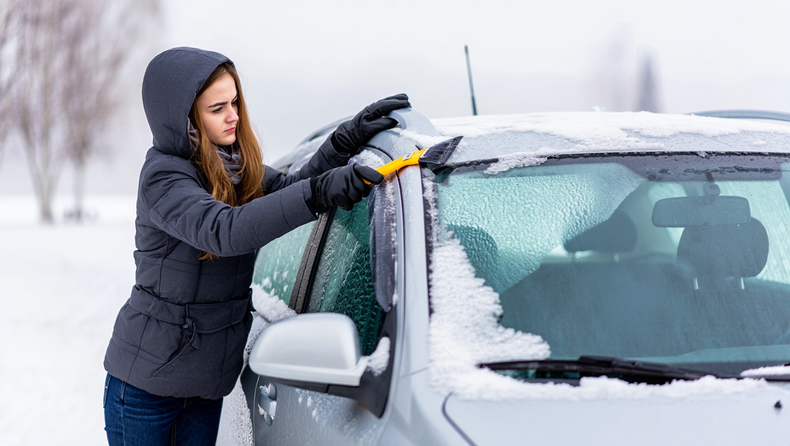
As the temperature drops and the first snowflakes start to fall across the region, many new drivers feel a mix of excitement and nervousness. Winter driving doesn’t have to be stressful—when you’re prepared and trained properly, it can actually become one of the most rewarding seasons to be on the road.At Rhodes Driving Schools, we’ve helped thousands of students master winter conditions safely. Here’s our comprehensive guide to staying confident and in control when the roads turn white.1. Prepare Your Vehicle Before the First Flake FallsWinter driving starts long before you turn the key.
Front-wheel skid (understeer/plow): Ease off the gas, look where you want to go, wait for traction to return before steering correction.Every Rhodes student practices controlled skids in our private winter training area—so you learn the feeling in a safe environment before the real roads demand it.5. Black Ice: The Invisible EnemyBlack ice forms on bridges, overpasses, shaded corners, and areas that rarely see sun. It looks like wet pavement but has almost zero grip.Warning signs:
- Switch to winter tires (not just all-season). They provide up to 50% better traction in snow and temperatures below 7°C.
- Check tire pressure weekly—cold air causes it to drop.
- Test your battery; 30% of winter breakdowns are battery-related.
- Keep wiper fluid topped up with a winter formula (rated to -40°C) and carry an extra jug.
- Clean all lights and replace burnt-out bulbs—visibility is everything.
- Accelerate gently—ease onto the gas pedal like you’re pressing on an egg.
- Brake early and lightly—use threshold braking instead of stomping.
- Steer progressively—avoid sharp turns that upset weight transfer.
Front-wheel skid (understeer/plow): Ease off the gas, look where you want to go, wait for traction to return before steering correction.Every Rhodes student practices controlled skids in our private winter training area—so you learn the feeling in a safe environment before the real roads demand it.5. Black Ice: The Invisible EnemyBlack ice forms on bridges, overpasses, shaded corners, and areas that rarely see sun. It looks like wet pavement but has almost zero grip.Warning signs:
- No slush or spray from other vehicles
- Other cars suddenly slowing or swerving for no apparent reason
- Folding shovel & traction mats or kitty litter
- Ice scraper + snow brush
- Blanket, extra gloves, hat, and high-energy snacks
- Jumper cables & flashlight with fresh batteries
- First-aid kit & small tool set
- Reflective triangles or flares
- Check 511 or local road-condition apps
- Add 50% extra travel time
- Tell someone your route and expected arrival time
- Charge your phone and keep a car charger handy