
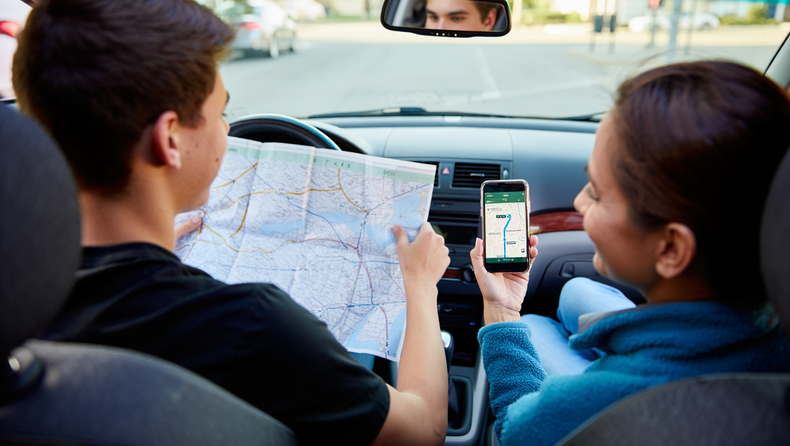
The moment every parent both dreams of and dreads: handing the keys to your newly licensed teen for their first solo (or almost-solo) road trip. Whether it’s a 3-hour drive to university, a weekend getaway with friends, or a cross-province adventure, preparation turns panic into pride.At Rhodes Driving Schools, we’ve trained hundreds of teens for their first big trip. Here’s our exact checklist and training system that parents and teens swear by.1. The 48-Hour Pre-Trip Vehicle Check (Do This Together)Teach responsibility by doing it side-by-side:
Teach them to:
- Tire pressure & tread depth (including spare)
- All fluids (oil, coolant, wiper, brake)
- Lights: high/low beams, brake lights, turn signals (use your phone camera)
- Emergency kit restock: jumper cables, flashlight, first-aid, blanket, water & snacks
- Clean windows inside & out – streaks kill visibility at sunrise/sunset
- Time-of-day fatigue (2–4 p.m. and 2–4 a.m. are danger zones)
- Task fatigue (after 3–4 hours of continuous driving)
- Micro-sleeps (2–3 second eye closures you don’t even notice)
- Smooth lane changes with 3-second mirror-signal-move timing
- Proper following distance at 100+ km/h (4–6 seconds minimum)
- Safe passing technique on two-lane highways
- Emergency shoulder stops (hazards on, triangles out)
Teach them to:
- Add 30–50% buffer time for stops, traffic, and construction
- Pre-scout rest areas and 24-hour fuel stations
- Save offline maps (cell service disappears in rural areas)
- Screenshot parking instructions for the destination
- Phone in glovebox or trunk on departure
- Only accessible during scheduled stops
- Use a co-pilot (friend or parent via FaceTime Audio) for navigation if needed
- How to pull over safely if conditions turn bad
- When to extend the trip by a day instead of pushing through
- Hotel-booking apps and credit card on file for emergencies