
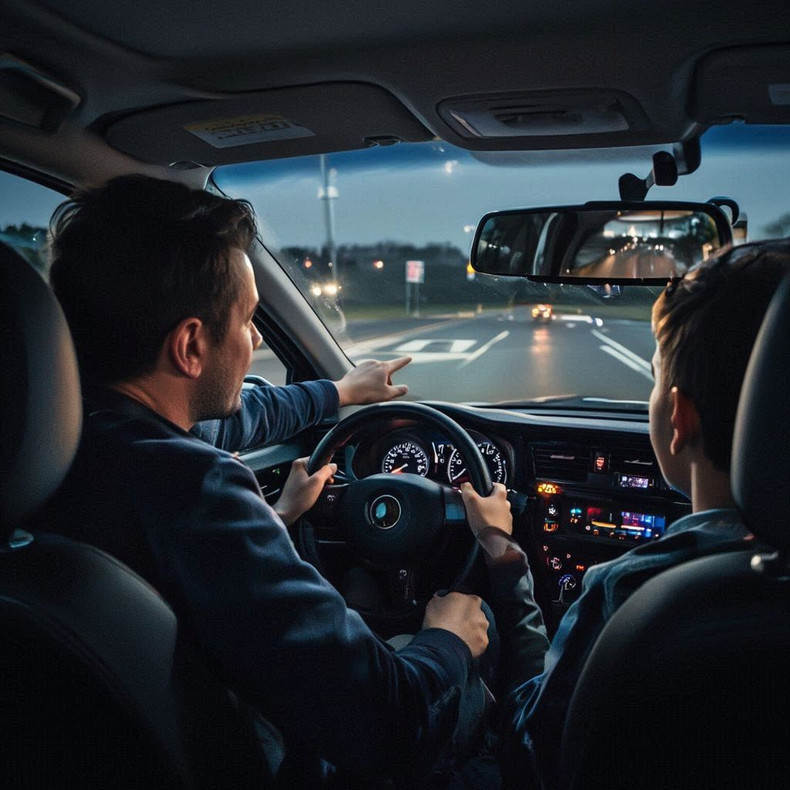
Driving at night can be a thrilling milestone for teens in San Antonio, but it also brings unique challenges. With reduced visibility, increased fatigue risks, and busier evening traffic on roads like I-35 or Loop 410, night driving in Texas demands extra caution—especially for beginners.According to the National Highway Traffic Safety Administration (NHTSA), fatal crashes are three times more likely at night than during the day. For teen drivers, who are already at higher risk due to inexperience, mastering safe night driving is crucial. At Rhodes Driving Schools, our teen drivers ed in San Antonio programs include dedicated night driving practice to build confidence and skills. In this guide, we'll cover essential night driving tips for teens, local San Antonio hazards, and how professional instruction makes all the difference. (San Antonio's vibrant skyline and highways at night—beautiful, but requiring heightened awareness from new drivers.)Why Night Driving Is Riskier for Teen Drivers in TexasLimited visibility means you see less of the road, and others see you less too. Common issues include:
- Headlight glare from oncoming traffic, especially on rainy Texas evenings.
- Fatigue after a long day of school or activities.
- Impaired drivers more common at night.
- Wildlife crossings on the outskirts of San Antonio.
- Prepare Your Vehicle: Clean headlights, taillights, and mirrors. Ensure proper headlight alignment—dim them for oncoming traffic.
- Adjust Mirrors and Seat: Reduce interior glare by tilting mirrors slightly and using the night mode on your rearview mirror.
- Increase Following Distance: Double your daytime distance—braking takes longer in low light.
- Handle Glare Effectively: Look to the right edge of the road when blinded by oncoming lights. Avoid staring directly at headlights.
- Stay Alert to Wildlife: In areas like northwest San Antonio or near Hill Country routes, slow down and scan for deer eyes reflecting in your lights.*(Deer are a real hazard on Texas roads at night—especially during dusk and dawn.)
- Avoid Distractions: No phone use—night driving requires full focus.
- Manage Fatigue: If tired, pull over safely. Limit late-night drives when possible.
- Use High Beams Wisely: On dark rural roads, but switch to low when traffic approaches.
- Heavy traffic near downtown, the River Walk, or events at the Alamodome.
- Sudden weather changes causing slick roads and reduced visibility.
- Construction zones on major highways with poor lighting.
- Required night driving hours in our teen drivers ed courses.
- Safe, dual-controlled vehicles with expert TDLR-certified instructors. *(Teens gaining confidence with professional guidance during evening lessons.)
- Flexible 7-day scheduling at 4 locations.
- Focus on building lifelong safe habits for Texas roads.