
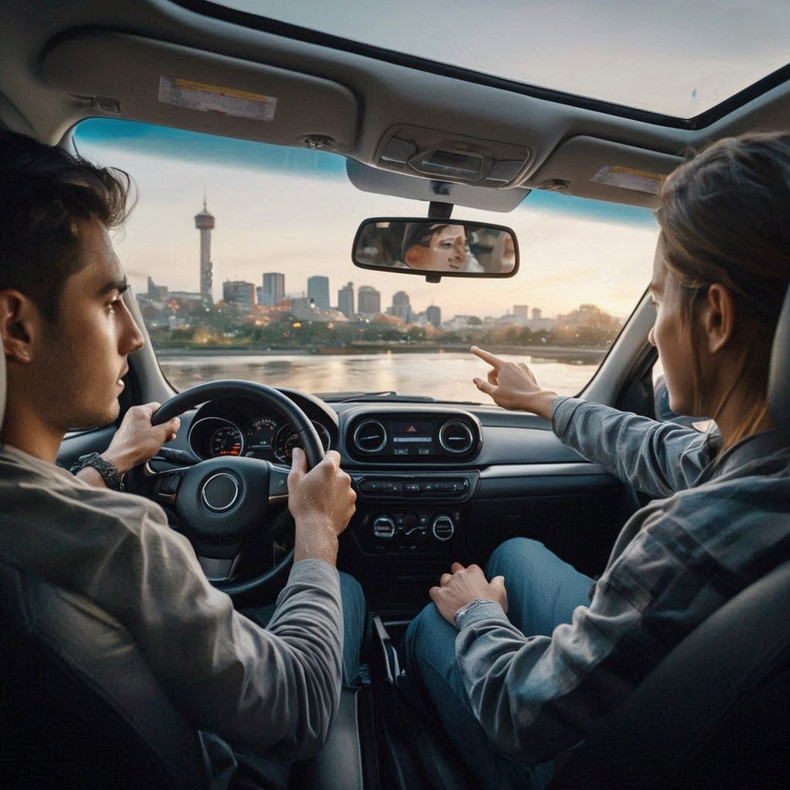
If your heart races at the thought of getting behind the wheel, you’re not alone. Many new drivers — especially teens working toward their Texas learner permit and adults returning to driving — experience learner anxiety. The fear of making mistakes, dealing with San Antonio traffic, or failing the DPS road test can feel overwhelming.The good news? Driving anxiety is completely normal and manageable. With the right mindset, techniques, and support, you can overcome learner anxiety and build real confidence behind the wheel.At Rhodes Driving Schools in San Antonio, we’ve helped thousands of nervous beginners turn fear into confidence. This guide shares practical driving anxiety tips for beginners that actually work.1. Understand That Learner Anxiety Is NormalFirst, give yourself permission to feel nervous. Almost every confident driver you see on I-35 or Loop 410 once felt exactly like you do now.Common signs of driving anxiety include:
- Racing thoughts or “what if” scenarios
- Tight grip on the steering wheel
- Shallow breathing or butterflies in the stomach
- Avoiding practice sessions
- Begin in empty parking lots or quiet residential streets near our Helotes or Eckhert locations — far from busy traffic.
- Master one skill at a time: seat adjustment and mirrors first, then smooth starts and stops, then gentle turns.
- Keep early sessions short (15–30 minutes) to avoid fatigue and overwhelm.
- Celebrate every small win — even “I kept the car centered in the lane for the whole block” counts.
- 4-7-8 breathing: Inhale for 4 seconds, hold for 7, exhale for 8. Do this before starting the car or at stop signs.
- Box breathing: Inhale 4, hold 4, exhale 4, hold 4 — especially useful during heavier traffic on US 281.
- Grounding technique: Name 5 things you see, 4 you can touch, 3 you hear, 2 you smell, 1 you taste.
- Replace “What if I mess up?” with “What if I do better than last time?”
- Use affirmations: “I am learning at my own pace. Mistakes are how I improve.”
- Visualize success: Spend a few minutes imagining a calm, successful short drive before your lesson.
- Dual-control vehicles provide an instant safety net, reducing the fear of losing control.
- Instructors are experienced with anxious beginners and know how to break skills into tiny, manageable steps.
- Objective feedback without emotional stakes — many teens say they feel less judged with an instructor.
- Structured progression that matches your comfort level, never pushing too fast.
- Prepare thoroughly: Know your route in advance. Familiarity lowers uncertainty.
- Dress comfortably: Wear shoes with good pedal feel and clothes that don’t restrict movement.
- Limit passengers early on: Fewer distractions mean less pressure (important under Texas GDL rules too).
- Schedule lessons at your best time: Some students do better in the morning when they feel freshest.
- Track progress: Keep a simple journal noting what felt easier each session. Seeing improvement over time is incredibly motivating.
- Avoid comparing yourself: Everyone learns at a different pace. Focus on your own journey.
- Fear of merging or highway driving: Start with short on-ramp practice during lighter traffic times. Gradually increase exposure with instructor guidance.
- Fear of the DPS road test: Mock tests with Rhodes instructors simulate real conditions, so the actual test feels more familiar and less scary.
- Fear of making mistakes in traffic: Remember that other drivers expect beginners to be cautious. Predictable, defensive driving is respected on San Antonio roads.
- General overwhelm: Break every drive into small goals. Focus only on the next intersection or maneuver.
- Every expert driver was once a nervous beginner.
- Small, consistent practice beats occasional long, stressful sessions.
- It’s okay to take breaks when anxiety spikes — progress resumes when you’re ready.
- Safe driving is about skill and awareness, not perfection.
Contact us today:
- Helotes: (210) 695-8883
- Ellison: (210) 680-3980
- Eckhert: (210) 523-7483
Safer Roads with Rhodes!